Teaching
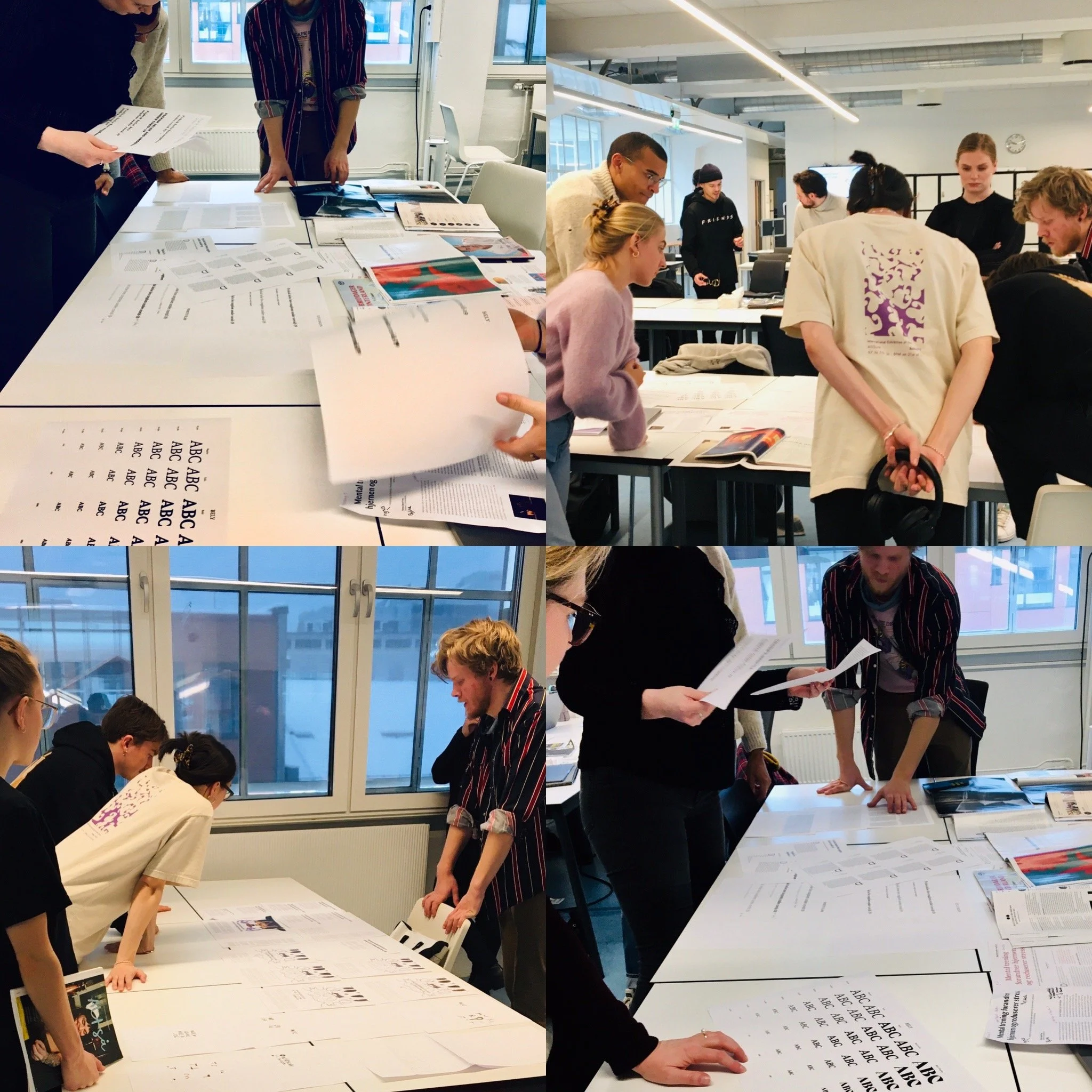
I have had over 20 years of teaching experience at
The London College of Printing, & the University of Bedfordshire in the U.K & Westerdals/Høyskole Kristiania located in Oslo, Norway.
Branding & Brand Strategy
Teaching branding and brand strategy involves understanding the fundamental principles of branding and the various techniques and tools used in brand management.
Defining brand and branding: Start by defining what a brand is and what branding entails. Help students understand the importance of brand identity, brand equity, and the role of branding in creating a competitive advantage.
Branding strategy
Brand identity
Case studies
Interactive exercises
Visual Identity
Teaching visual identity involves helping students understand the principles and practices of creating a visual identity that accurately reflects an organisation's brand or message.
Design Principles
Research and Analysis
Sketching and Prototyping
Creating holistic visual identities
Presentation and Feedback
Visual Design
Teaching visual design can be a challenging but rewarding task.
Starting with the basics: Teaching the fundamental concepts of visual design, such as colour theory, composition, and typography.
Using real-world examples: Showing students how visual design is used in the real world.
Encouraging experimentation: Visual design is a creative field, so it's important to encourage students to experiment with different styles and techniques.
Providing feedback: Critique and feedback are crucial in visual design.
Emphasizing collaboration:
Keeping up with design trends
Typography
Teaching typography involves educating students about the art and science of designing and arranging type in a visually appealing and effective manner. Typography plays a critical role in graphic design, branding, advertising, publishing, and other fields that rely on visual communication.
Here are some key topics to cover when teaching typography:
Anatomy of type
Type classifications
Typeface selection
Hierarchy
Grids, layout and composition
Typography in digital media
History and Culture
UX Design
Teaching UX design requires a comprehensive understanding of the principles and methodologies of user experience design and strong communication and presentation skills. Here are some steps to consider when teaching UX design:
Defining the fundamentals: Starting by defining the basic principles of UX design, including user-centred design, information architecture, interaction design, usability testing, and accessibility.
Explaining the design process: Introducing students to the design process, including research, ideation, prototyping, and testing. Emphasise the importance of iterative design and the role of feedback.
Encouraging critical thinking: Encouraging students to think critically about UX design and to question assumptions. Teach them to approach problems with a user-centred mindset and always consider the needs of the end-users.
Staying up-to-date: Staying up-to-date with the latest trends and developments in UX design.
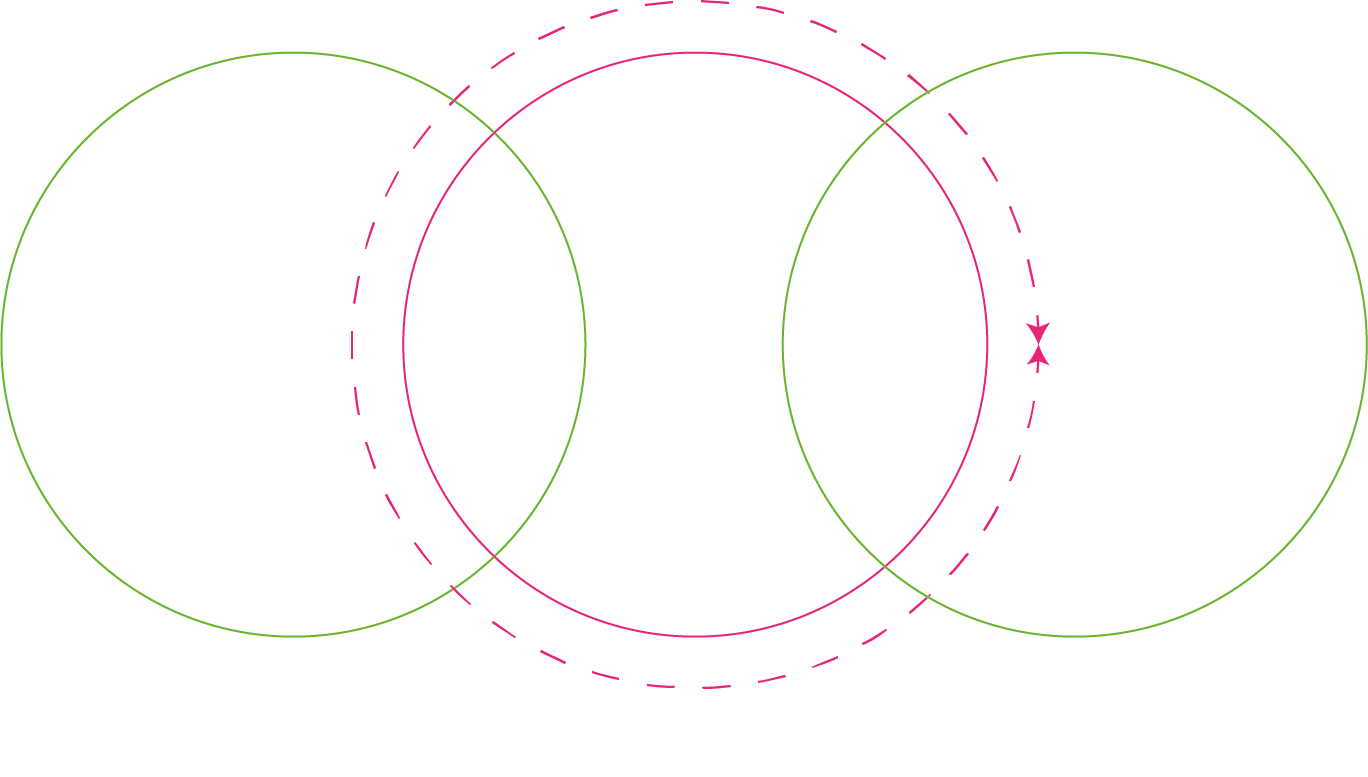
The design process is a series of steps designers follow to create a new product, service, or solution. The process usually involves the following steps:
Define the problem: The first step is to identify the problem the design intends to solve. This involves conducting research, gathering information, and analysing the data to understand the problem.
Research and gather information: This step involves gathering all the relevant information about the problem and exploring potential solutions.
Experimentation In this step, designers brainstorm and generate a variety of ideas and concepts for potential solutions to the problem.
Concept generation: Once designers have identified potential solutions, they create concepts for the design.
Design
Implementation
Teaching graphic design is not just about imparting knowledge but also inspiring and encouraging creativity in students.